
Investor-Ready in 8 Weeks: Deck, Data Room and Narrative
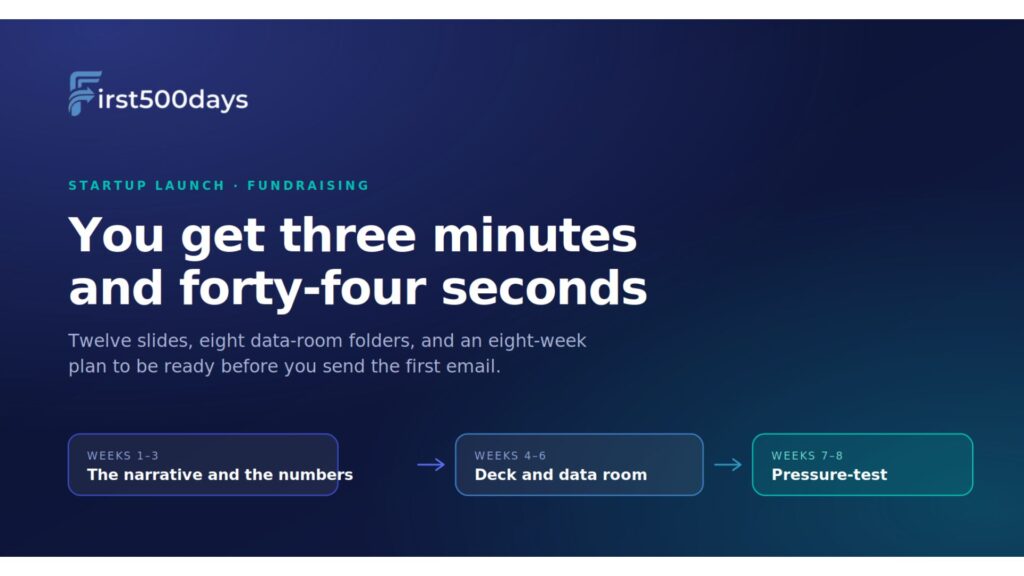
Fundraising fails on preparation more often than on merit. The deck gets under four minutes of attention, the data room gets weeks of scrutiny, and the narrative is what has to survive both. Eight weeks is enough to build all three — before you send the first email. Being investor-ready means three things exist and […]
When to Make Your First Five Hires — and In What Order
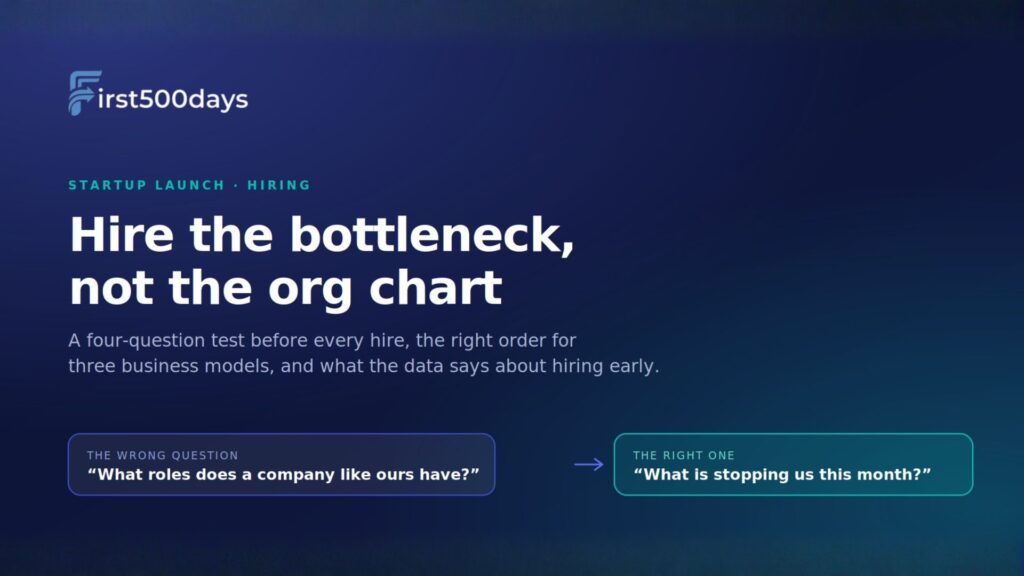
There is no standard first five. There is a constraint, and the right hire is whoever removes it. Hiring against an imagined org chart instead is the single most reliably fatal mistake in early scaling — and there is data on exactly how fatal. Hire when four things are true: the role is genuinely the […]
From Founder-Led Sales to a Repeatable Sales Motion
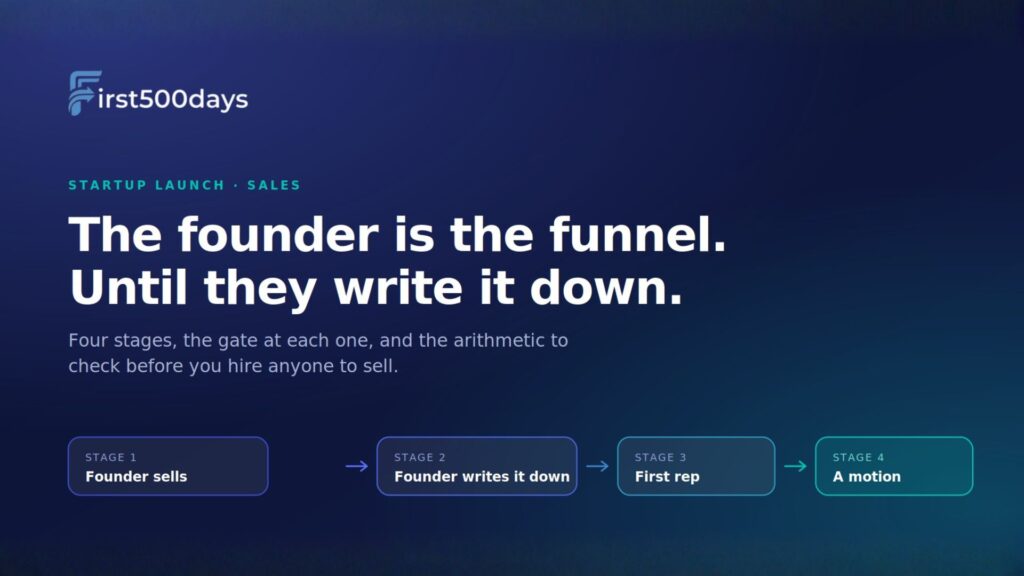
Founder-led selling works right up until the founder becomes the constraint. The transition out of it is not a hiring decision — it is a documentation problem, and hiring before you have solved it is how companies lose a year and a salary. Moving from founder-led sales to a repeatable motion happens in four stages, […]
Product-Market Fit Isn’t a Feeling — Here’s How to Measure It
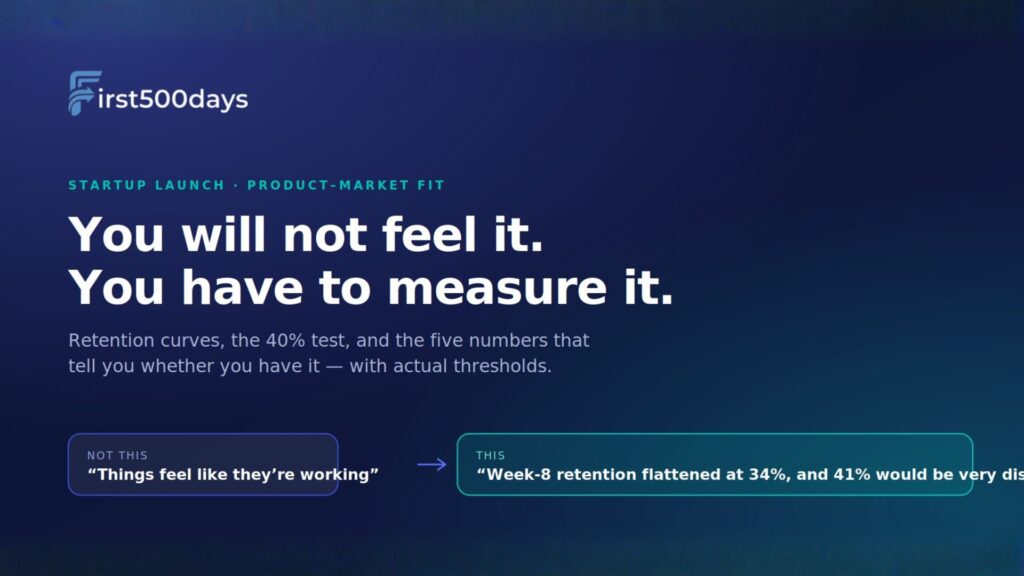
“You’ll know it when you have it” is the most repeated and least useful advice in early-stage building. You will not know. You will hope. Here are the numbers that settle it, with actual thresholds. Product–market fit is measurable through five signals: whether your retention curve flattens, what share of active users would be “very […]
Getting Your First 10 Customers When Nobody Has Heard of You
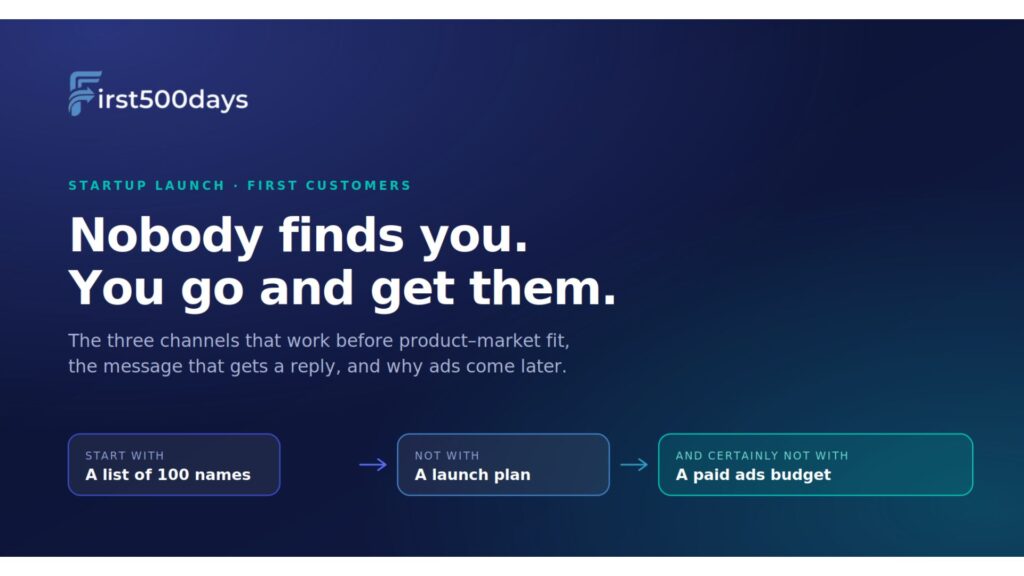
There is no clever channel. The first ten come from a list of names you researched one at a time, a message that proves you are writing to them specifically, and about a hundred hours of work. Here is exactly how that goes. To get your first ten customers: build a list of a hundred […]
Founder Agreements, Equity Splits and IP: What to Sort Out Before You Write Code
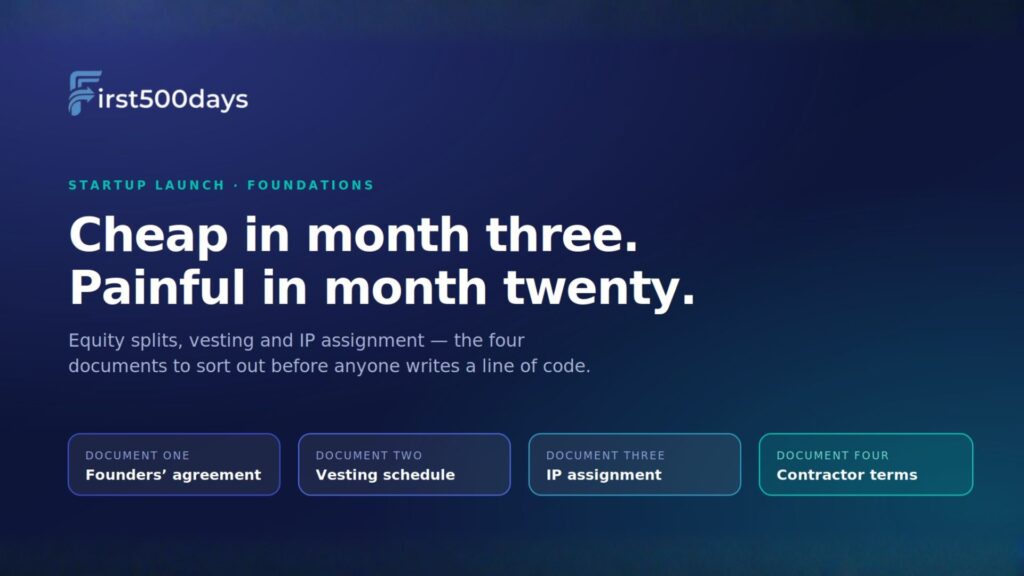
Four documents, a few thousand pounds, and one uncomfortable conversation. Skipped, they become the most expensive omission in the first 500 days — and the bill only arrives when someone leaves or an investor asks. General information, not legal advice This article explains concepts and market conventions so you can have a better-informed conversation with […]
Build an AI Product That Survives Contact With Production
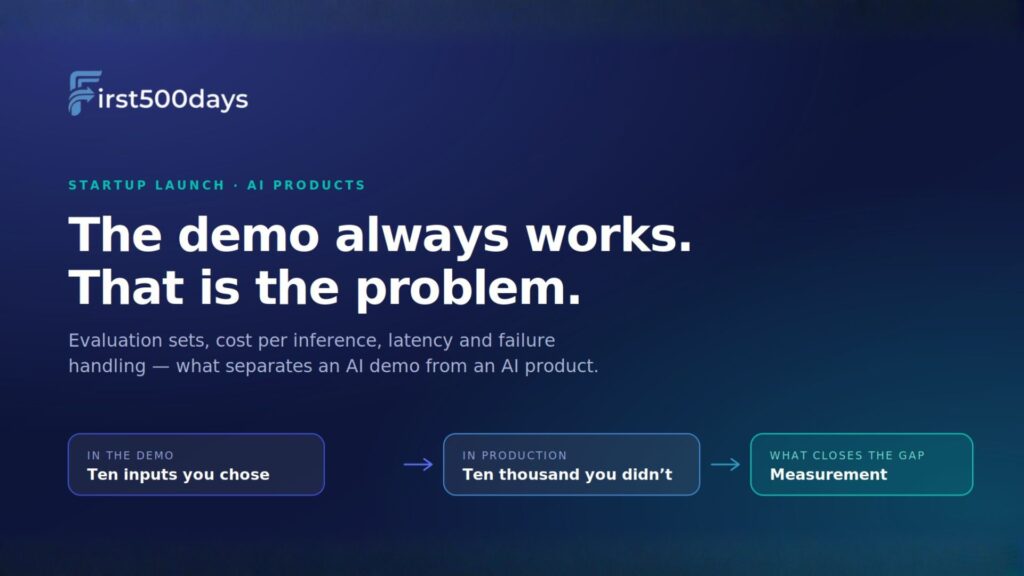
The demo works because you chose the inputs. Production supplies its own — along with concurrency, latency budgets, a cost line that eats your margin, and a model that quietly changes underneath you. Here is what closes that gap. An AI product survives production when four things exist that a demo never needs: an evaluation […]
What Should Actually Be in Your MVP (And the Six Things Founders Wrongly Insist On)
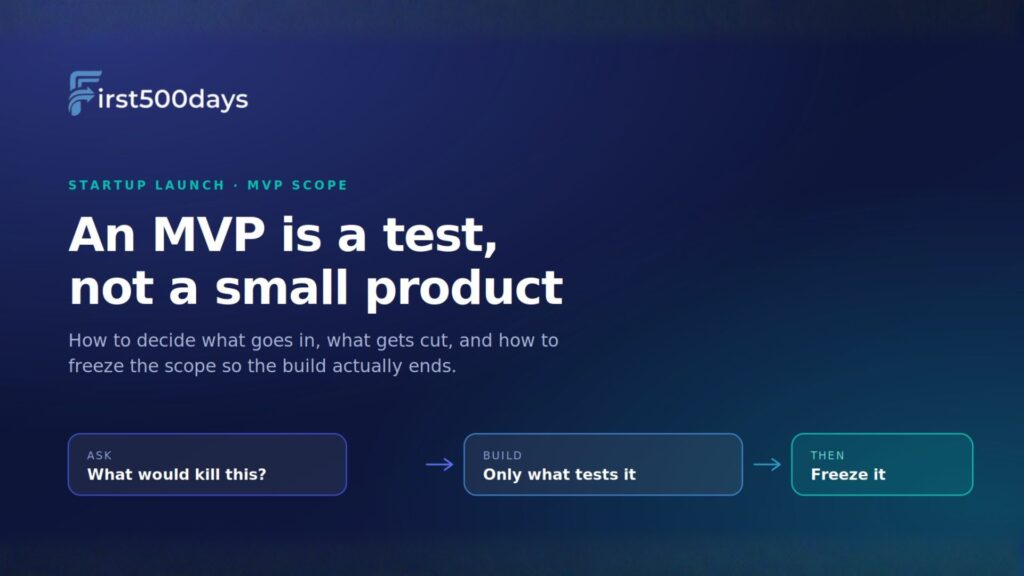
An MVP is not a smaller version of your product. It is an experiment with a user interface attached — and the only question that decides its scope is which assumption would kill the business if it turned out to be wrong. Your MVP should contain exactly one complete user journey that tests your riskiest […]
How to Price a Product Nobody Has Sold Before
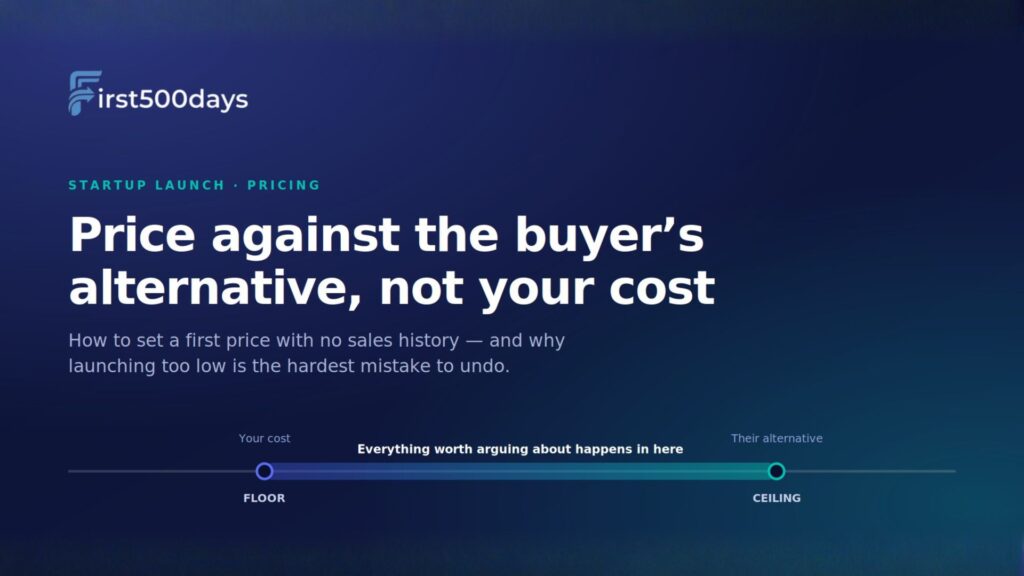
With no sales history there is nothing to extrapolate from — so founders default to cost-plus, or to whatever the nearest competitor charges. Both leave money on the table, and one of them is close to irreversible. To price a product with no sales history: work out what the problem currently costs the buyer — […]
The 10 Reasons Startups Fail — And the Specific Decision That Causes Each One
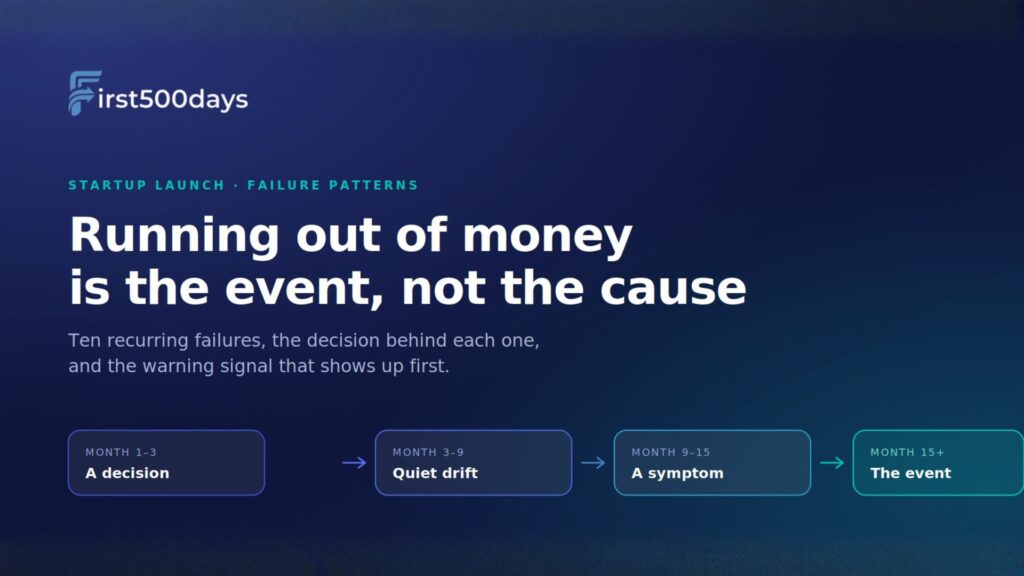
Startups almost never fail from the thing that kills them. They fail from a decision made months earlier, which quietly compounds until the bank balance makes it visible. Here are the ten, each traced back to its origin. The ten recurring reasons startups fail are: building before validating, no clear business model, weak product–market fit, […]